
Saragarhi Day 2024 has been marked with a special luncheon in Parliament.
The day commemorates a frontier battle that took place in 1897, when 21 Sikh soldiers of the 36th Sikh Regiment defended a small outpost against 10,000 enemy tribesmen.
It’s a battle I’ve extensively researched. This work has been published, produced in a film and adapted into a teacher training aide. I’ve also led Saragarhi Day commemorations for more than a decade, helping ensure this heroic last stand reaches mainstream audiences.
You can read more about this via this website or blog here. And you can ordrer my book via Amazon (it’s on Kindle and might be republished soon).
The event also gave a nice surprise, recognition for my work from the Panjabi Language Awareness Board.
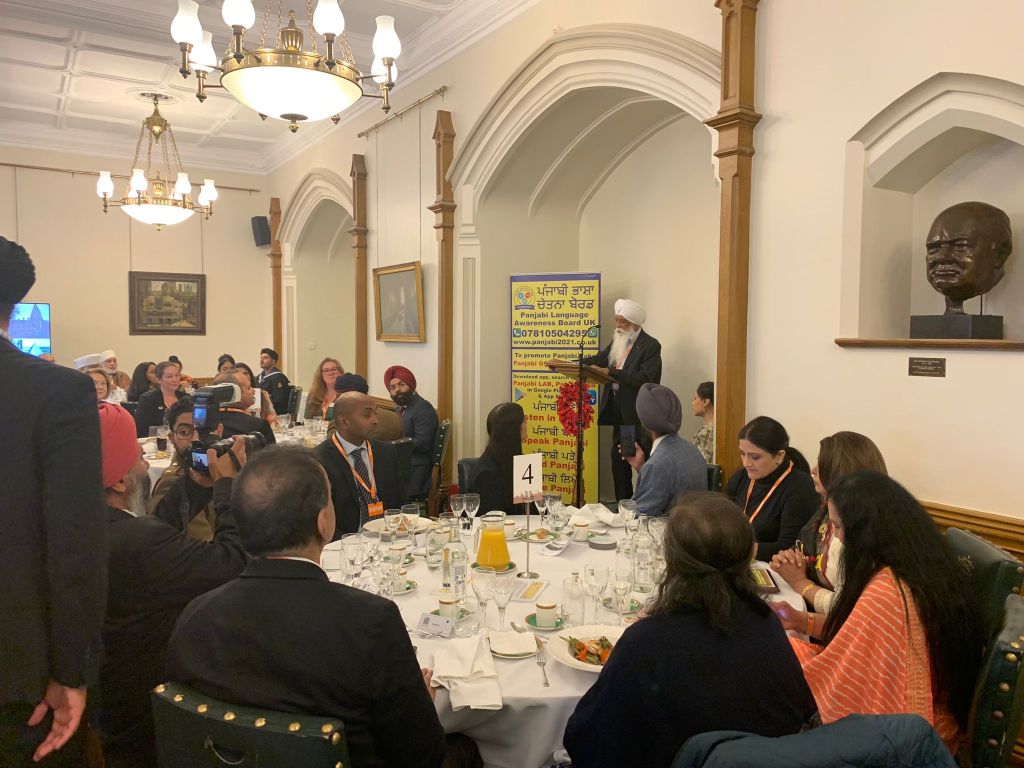
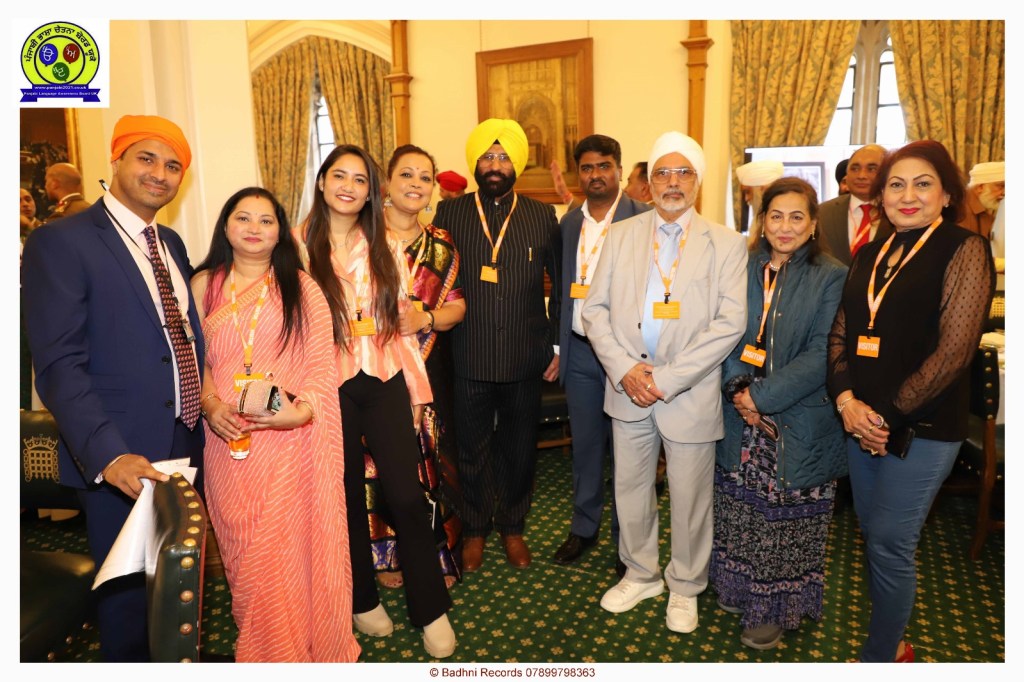
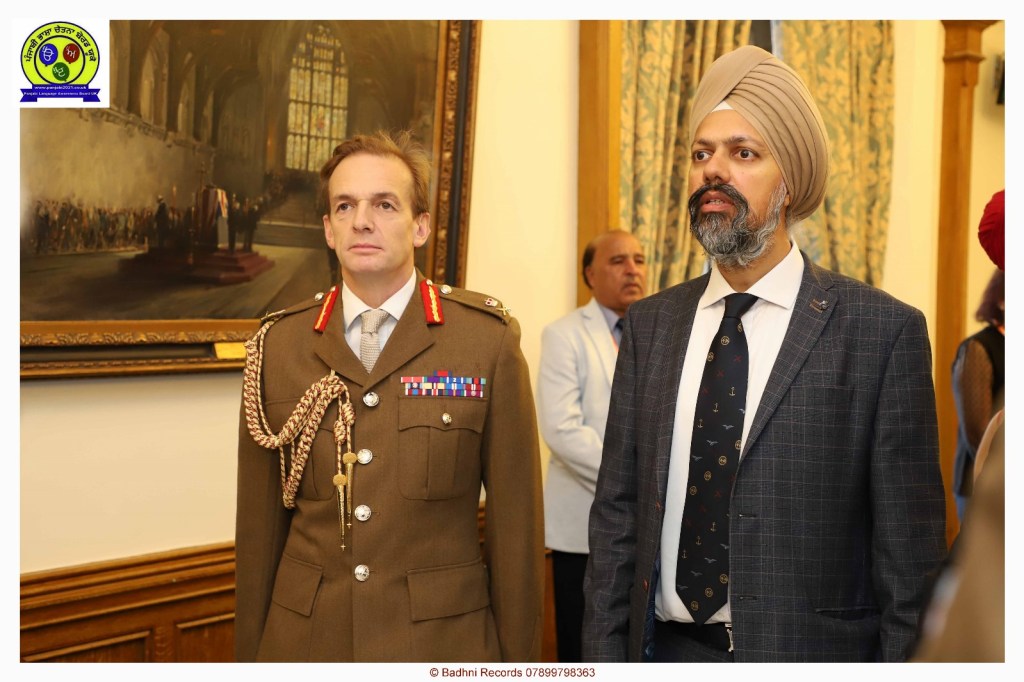

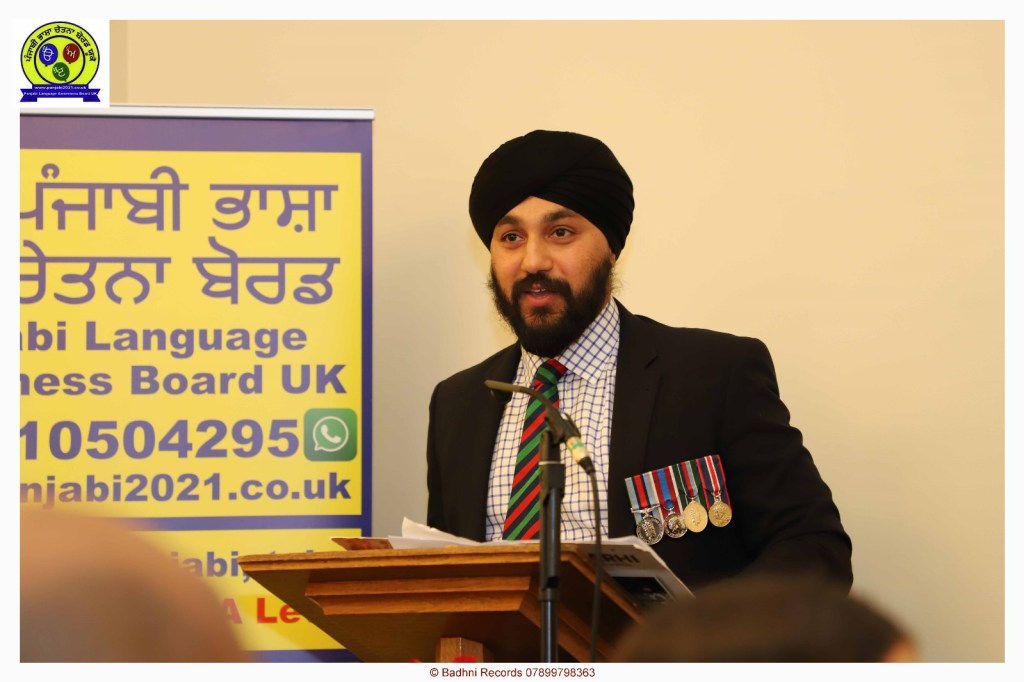
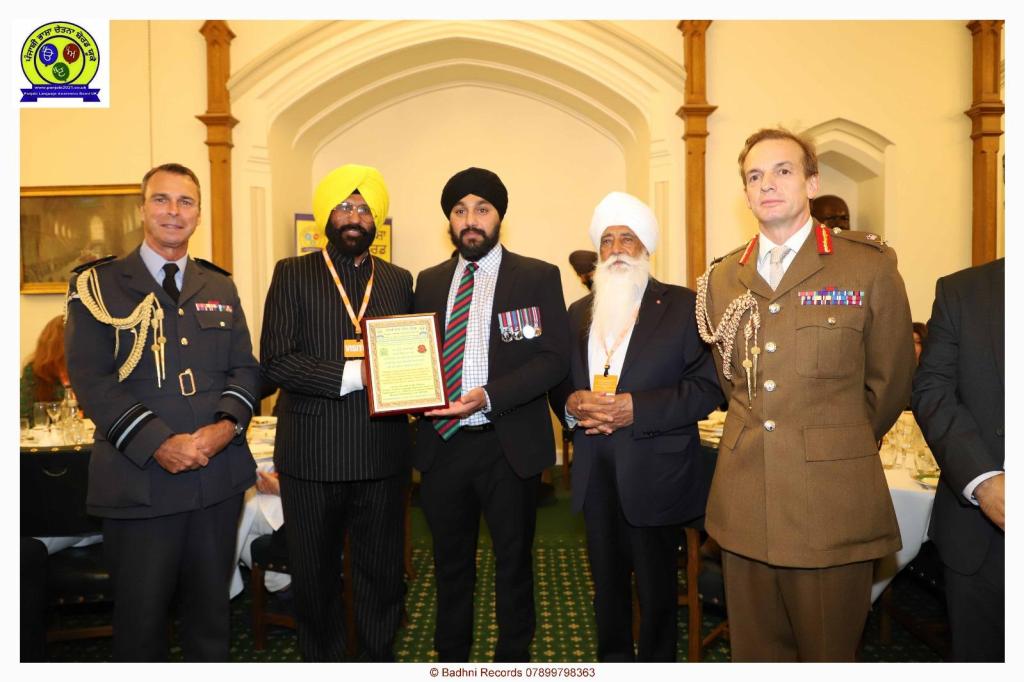
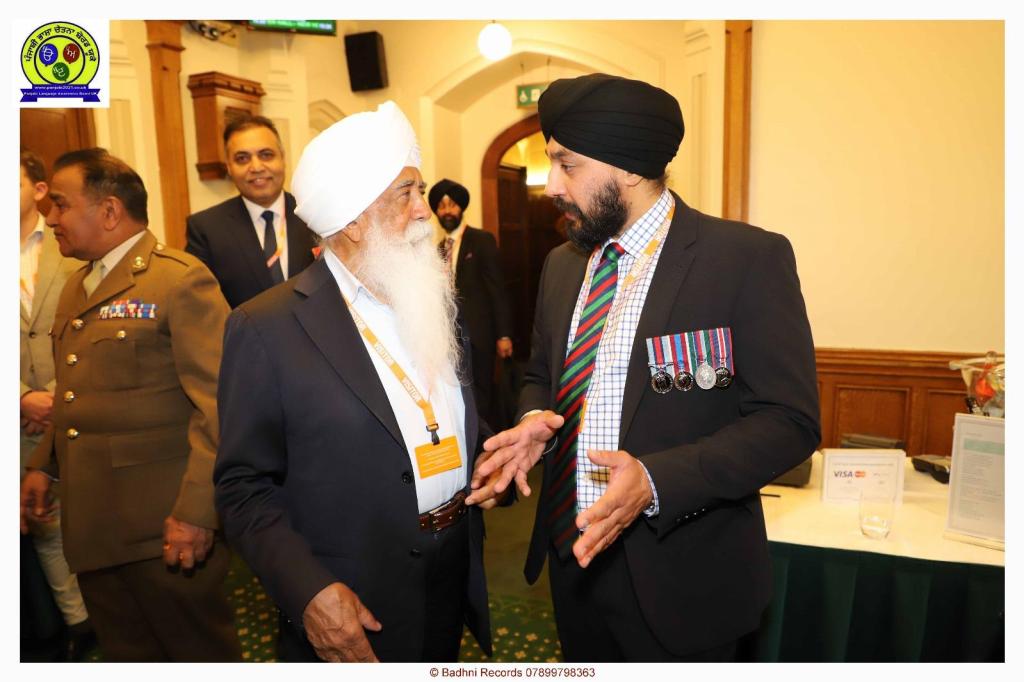
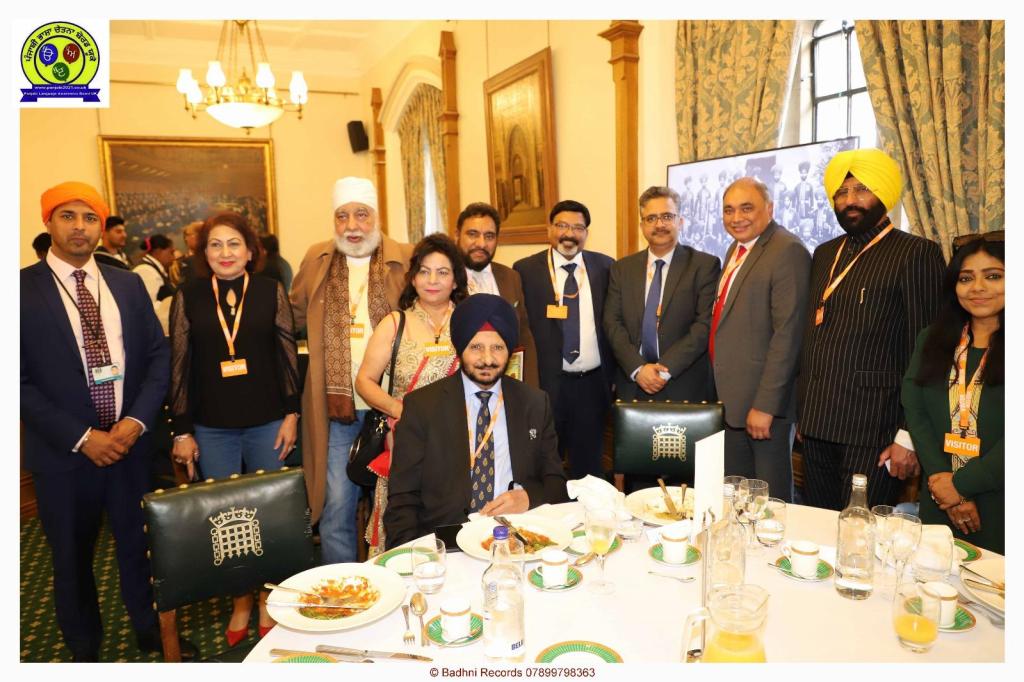
Below I’ve copied my speech for those interested in what I had to say in Parliament on this historic occassion.
Saragarhi Day 2024 – UK Houses of Parliament, 12 Sept 2024
Welcome:
My Lords, Ladies & Gentlemen. Distinguished members of Parliament and Officers of the Realm. It gives me great pleasure to welcome you all to this very special “Saragarhi Day” Luncheon – on what is the battle honour day and regimental holiday for the 36th Sikh Regiment that saw action on the Samana 127 years ago.
It is my duty and privilege as your co-organiser – to first share some words of gratitude and appreciation. I will then outline the significance of this event as we reconnect to Saragarhi’s legacy and what it says about the Sikh contribution to Britain.
First, a warm thank you to our Parliamentary host Andrew Mitchell for securing us this wonderful room. It’s apt we are in the Churchill Room, for he served alongside Sikhs at Malakand and called them “the guardians of the marches”.
Unfortunately, Andrew could not be with us – as he has had to return to deal with urgent matters in Sutton Coldfield. But I can share his keen support for this event and the thriving British Sikh community. For the record – Andrew is a hard-working and dedicated servant of the Royal Town – which I can attest to as one of his constituents! Who’s often giving him work to do!
In his stead, a warm welcome and thank you to Paul Holmes for stepping in. Paul worked with Andrew at the Foreign Office. We look forward to hearing from you shortly.
I’d also like to take the opportunity to welcome from the High Commission of India [the Honourable Shri Deepak Choudhary]. And to say our mother tongue Panjabi: SSA, jee aya nu.
We’re also joined by several serving members of His Majesty’s Armed Forces. Thank you all for supporting our efforts to commemorate Sikhs who served, particularly Lt Gen Charles Collins, AVM Ranald Munro, Brigadier Karl Harris and (my old friend and partner when it comes to organising Saragarhi events) Brigadier John Kendall.
Finally, to recognise the Peers and MPs present – who made time in their busy schedules to join us on this special occasion. It is particularly poignant to reflect upon the legacy of Sikh military service with you all – as your numbers on the green and red benches have risen to a record 11 MPs and 6 Peers of Sikh descent.
So what is this event about and why is it important?
Earlier, you’ll have seen some of my film “Saragarhi: The True Story” playing on the screens. And those who’ve had a chance to see the fantastic archives on display, courtesy of the National Army Museum, or read the programme, will know some history.
So I will not dwell too much upon the battle except to outline some remarkable facts.
- 21 Sikh soldiers versus 10,000 enemy tribesmen
- A ratio of 1 Sikh to 476 enemy
- BUT the Sikhs with a limited 400 rounds of ammunition per soldier
You can do the maths! But you can see why Saragarhi is considered one of history’s greatest last stands.
The story often brings with it passion and patriotic fervour. But I’ve always sought to put emotions aside and stick to the facts when narrating the military history, as through the truth we do justice, better serve and remember, those who paid the ultimate sacrifice.
We know the factual details because both the commander Lt Col John Haughton situated at Fort Lockhart and Major Des Voeux at Gulistan observed what was going on.
News of the battle was also telegrammed overnight by a Times reporter back to London. In the UK the problems on the frontier caused by the uprising gave impetus to muster a punitive campaign to subdue the tribes; the Tirah Field Force duly set out to do so.
Here in Parliament – Hansard records MPs at the time paying tribute to the actions on the Samana by the 36th Sikhs as a whole. Indeed, whilst the epic last stand at Saragarhi saw the 21 posthumously awarded the Indian Order of Merit, at Gulistan daring deeds by 40 Sikh soldiers achieved the same admission.
Nonetheless, myths have taken root – that there was a round of applause here or indeed that UNESCO ranked it as 1 of 7 epic battles. But these are clearly false, so let’s not repeat them again. Parliamentarians here know clapping is not allowed and rarely happens in the Chamber; it would have been unheard of in Victorian England. And as someone who’s periodically called UNESCO HQ in Paris to test the theory, I’ll state that it’s not worth the arguments in GCSE level French.
There are two great tributes to the significance of Saragarhi that I can share:
Firstly, Queen Victoria, at the time at Balmoral, was made aware of the battle via telegram received 4 days after the action. She commented in her diaries about the “splendid behaviour of the Sikhs.”
Secondly, that the British sought to capture and utilise the battles’ inspirational narrative by raising two memorial Gurdwaras in Amritsar and Ferozepur.
The Viceroy Lord Curzon remarked that: “These two monuments will testify to later ages at once the valour of your race and the gratitude of mine.”
Those brave men at Saragarhi inspire us to this day because they were ordinary folk living up to their ideals. Average age of 21, from the villages of Panjab. Who stepped forward to join the 36th Sikh regiment.
I believe there were 3 reasons they – and hundreds of thousands of others during Empire – did so.
First, it was to earn a living away from manual farm labour. Second, to earn a name for themselves as “bahadurs” or braves – no doubt inspired by the high martial standards set by their forefathers who’d fought the Mughals, fought the Hill Rajas and Pathans and – yes – fought the British.
Thirdly, to live up to the highest ideals of the Khalsa (the brotherhood of initiated Sikhs).
“Jav aav ke augh nidaan banai…”
When this mortal life reaches its limits, may I die fighting with limitless courage!
This stanza forms a part of the Sikh national anthem – it is the boon or wish every Gursikh makes, knowing full well that to live a life of service and sacrifice whilst meditating upon God results in ascendence to the highest of the spiritual realms.
Yet – it is not a simple matter to put on a uniform or lift a rifle and die in a blaze of glory.
To reach that higher plain of achievement – one must live by strong values and act with discipline, integrity, and in a just manner. At all times. But especially when times are tough. That is where Khalsa principles come in.
Because when we mark Saragarhi Day – yes we are remembering the brave 21, yes we are remembering their regiment and their bravery at large. But we are also helping continue a legacy. Of Sikhs serving and acting in a righteous manner, for Sarbat da Bhalla, the benefit of all.
This legacy is why the old boys of the 36th Sikh regiment held an annual “Saragarhi Day” luncheon in the UK on this day every year. To remember their brothers in arms, renew their regimental connections and share stories about their service, be it on the Frontier or the World Wars.
That luncheon was held until 1947 – when Independence saw the 36th Sikhs transfer over to India as 4 Sikh LI. Today in the Indian Army, a parade took place at the regimental HQ and prayers held at the “Saragarhi” memorial Gurdwaras.
In the UK, the regimental affiliations and personal connections held by the Brits who’d served in Sikh regiments have long since gone. BUT today, you are all helping renew their legacy. Partaking in this “Saragarhi luncheon” in the mother of all Parliaments.
It means we are keeping the story alive. Not just of the brave 21 but of the actions taken by the 36th Sikhs, an exemplar of devotion to duty. And it is helping recognise that Sikhs continue to play a part in the defence of the realm – be it in the military, policing or other public services.
And we do so whilst maintaining our faith-based values and identity. Taking pride in this legacy, and pride in being British Sikhs.
Thank you for being a part of this. And to those speakers to come – I look forward to your remarks on this historic occasion. And I hope, with all of your support, we will keep the tradition going by having many more luncheons like this in future.
Ends.
 Jay Singh-Sohal
Leave a comment